
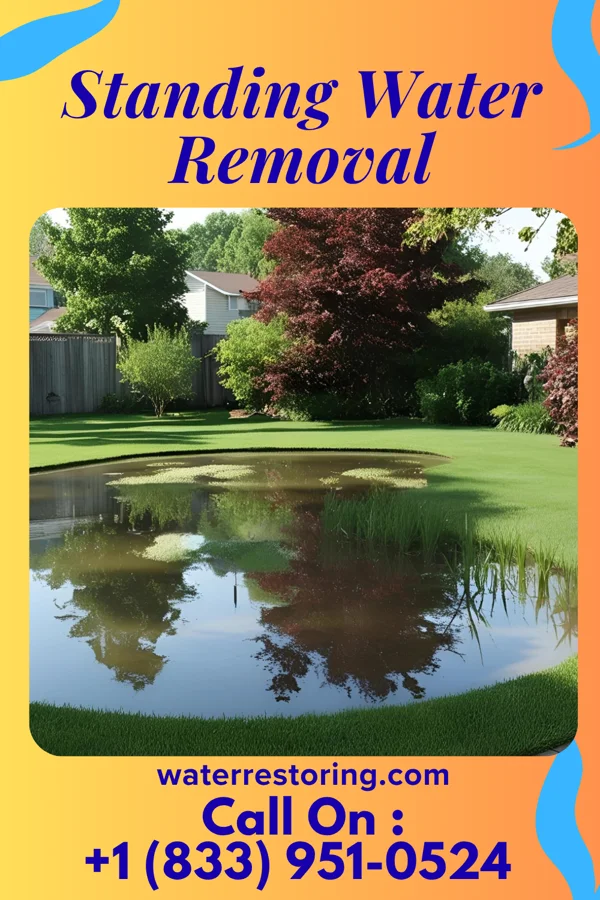
Common Standing Water Causes in Phillips
Most standing water removal calls in Phillips come from In Phillips, Nebraska, the primary water damage cause is often related to agricultural runoff and irrigation systems, which can lead to flooding in low-lying areas. Additionally, heavy rainfall during spring thaw can overwhelm drainage systems, causing water to pool around homes and farms.. A close second is Secondary causes include broken pipes from aging infrastructure, plumbing leaks in residential and commercial properties, and water intrusion from nearby rivers or streams during high water levels. Stormwater management issues also contribute to localized flooding.. If you know what is about to happen, the decisions during the first 48 hours get a lot easier.
Phillips experiences a continental climate with cold winters and hot summers, leading to potential freezing and thawing cycles that can damage underground pipes. The region's flat terrain and proximity to the Platte River increase the risk of seasonal flooding.
Most standing water removal calls in Phillips come from In Phillips, Nebraska, the primary water damage cause is often related to agricultural runoff and irrigation systems, which can lead to flooding in low-lying areas. Additionally, heavy rainfall during spring thaw can overwhelm drainage systems, causing water to pool around homes and farms.. Running a close second is Secondary causes include broken pipes from aging infrastructure, plumbing leaks in residential and commercial properties, and water intrusion from nearby rivers or streams during high water levels. Stormwater management issues also contribute to localized flooding.. Local mold risk: Mold growth in Phillips can occur rapidly due to high humidity and frequent rainfall, especially in older homes without proper insulation. Prompt water extraction and drying are critical to prevent mold-related health issues.